

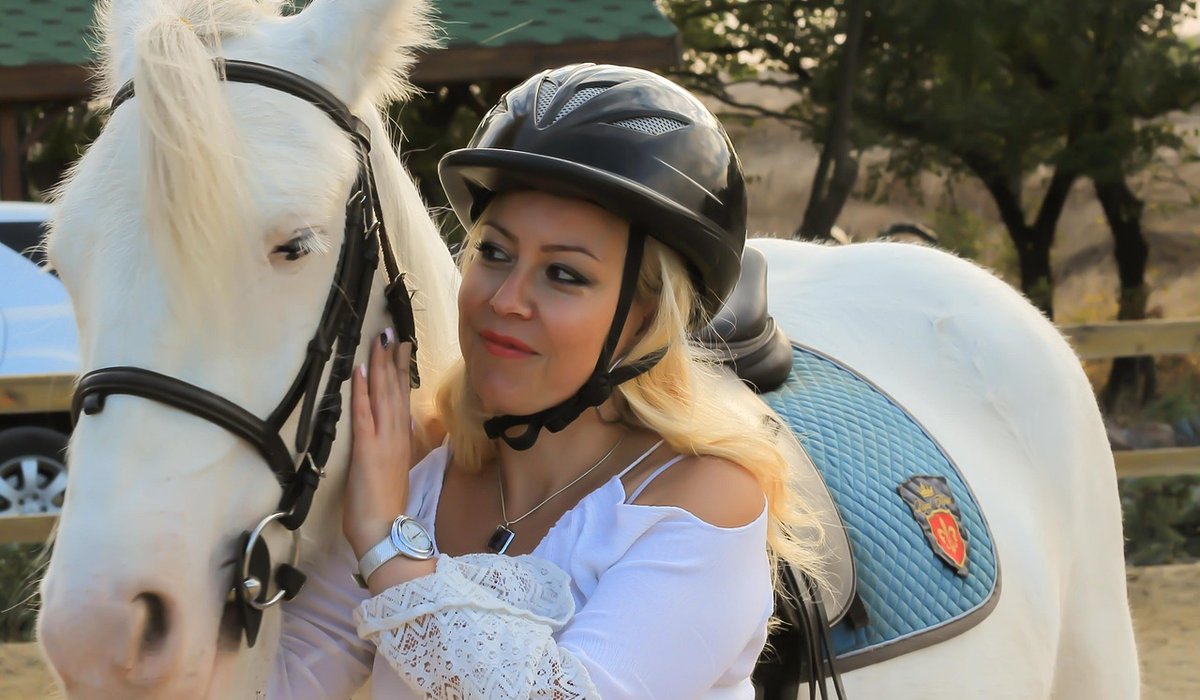
There are few pleasures finer than saddling up on a bright morning, packing a few treats in your saddlebag and heading out for a picnic ride through the British countryside. But a successful outing takes more than enthusiasm. A little planning goes a long way towards keeping you and your horse safe, comfortable and happy. Whether you are hacking from your own smallholding or boxing out to a new network of bridleways, the same principles apply: know your route, respect the weather, be honest about fitness, and pack thoughtfully.
Choosing a Route with Care
Before you load the saddlebags, spend time studying a detailed local map. Your council's definitive map shows public rights of way, but it will not tell you about locked gates, deep fords or a new housing development. If possible, drive or walk the route first. Look for safe places to pass oncoming traffic, wide verges for a rest, and alternative loops that let you cut the ride short if needed. Bridleways can be muddy, overgrown or obstructed; byways open to all traffic may have ruts or fast vehicles. Avoid routes that cross busy A-roads unless there is a designated crossing. Note where you might meet livestock, dogs or cyclists, and plan how you will manage those encounters calmly. A good picnic ride is one where you never feel rushed or trapped.
Reading the Weather and Ground Conditions
The British weather is a fickle companion. Check the forecast the night before and again on the morning. Rain, wind and temperature all affect your horse more than you might think. A steady downpour can make chalk tracks slippery and clay fields unrideable. Strong winds make horses spooky and can blow debris into their path. Heat above 25°C is a serious concern; ride early or late, stick to shade and shorten your route. Frost and ice bring their own hazards, from bruised soles to a hard, unforgiving surface. After heavy rain, avoid low-lying fields that flood and paths that turn into deep bogs. Midges and horseflies are at their worst on still, humid days, so pack repellent for both of you. If conditions are marginal, reschedule. Your horse will thank you.
Assessing Your Horse's Fitness and Condition
Be honest about your horse's current workload. A horse that has been in light hacking once a week cannot suddenly manage a three-hour picnic ride without risking injury or exhaustion. Build fitness gradually over several weeks, increasing distance and pace slowly. Check hooves daily in the run-up: loose shoes, cracks, thrush and abscesses need attention well before you set off. Older horses may have arthritis or respiratory conditions that flare up with pollen, so consult your vet if you are unsure. Also consider your own fitness — if you are tired and stiff, your balance and judgement suffer. On the day, warm up in walk for at least ten minutes, and plan a cool-down on the way home. A fit, sound horse is a safe horse.
Packing for Horse and Rider
Your saddlebags should carry essentials without being so heavy that they unbalance the saddle. For the horse, bring a collapsible bucket and at least three litres of water for a two-hour ride, plus a haynet for the rest stop. A basic equine first aid kit — wound powder, a cohesive bandage, a poultice and scissors — weighs little but can make a big difference. For yourself, pack:
- Plenty of water and easy-to-eat snacks such as flapjack, fruit or a sandwich.
- A fully charged mobile phone in a waterproof case, plus a paper map and compass.
- A high-vis tabard or jacket, even on sunny days, and a lightweight waterproof.
- Sunscreen, insect repellent, a whistle and a small human first aid kit.
- A hoof pick, a sharp knife and a length of baler twine for emergency repairs.
- A lead rope and a headcollar in case you need to dismount and lead.
Remember that your horse needs access to water frequently in hot weather. If you cannot carry enough, plan your route around known troughs or streams — but never assume stream water is clean.
Selecting a Safe Rest Stop
The perfect picnic spot is not simply the prettiest. Look for a level area well away from roads, steep drops and livestock, especially bulls. Avoid long grass where ticks and adders lurk. Ideally, you want a gate or fence post to tie to — but never tie to a gate itself, as it may open. Use a quick-release knot and stay with your horse. Loosen the girth, offer water and let your horse graze on a lead rope rather than loose. Do not let them gorge on rich spring grass; a small handful is fine. Keep the rest to 15–20 minutes. If it is hot, find shade; if it is cold and wet, keep the stop brief and keep moving. Check your horse for rubs from the saddle or girth before you remount, and tighten the girth gradually.
Timing, Companions and Emergency Plans
Always tell someone your intended route and expected return time. Carry your mobile phone, but remember that signal is patchy in many rural areas — a paper map and a whistle are your backup. Ride with a companion if you can, especially on new routes. Know how to handle meeting traffic: dismount if necessary, stand to the side and give way. If you meet livestock, keep calm, give them space and never gallop past. Leave gates as you find them. Be aware of seasonal events such as shoots or hunt meets that may affect your route. In winter, daylight is short, so carry a head torch and reflective gear. In summer, avoid the midday heat and the dusk hour when deer and vehicles are most active. Finally, have your vet's number saved in your phone. With a little forethought, your picnic ride will be a joy from the first hoofbeat to the last slice of cake.


Coding is used in almost all aspects of life and work now, be it directly or indirectly. It’s not just for companies in the tech sector. “An increasing number of businesses rely on computer code,
Coding is used in almost all aspects of life and work now, be it directly or indirectly. It’s not just for companies in the tech sector. “An increasing number of businesses rely on computer code,
Coding is used in almost all aspects of life and work now, be it directly or indirectly. It’s not just for companies in the tech sector. “An increasing number of businesses rely on computer code,