

Starting with the Space You Already Have
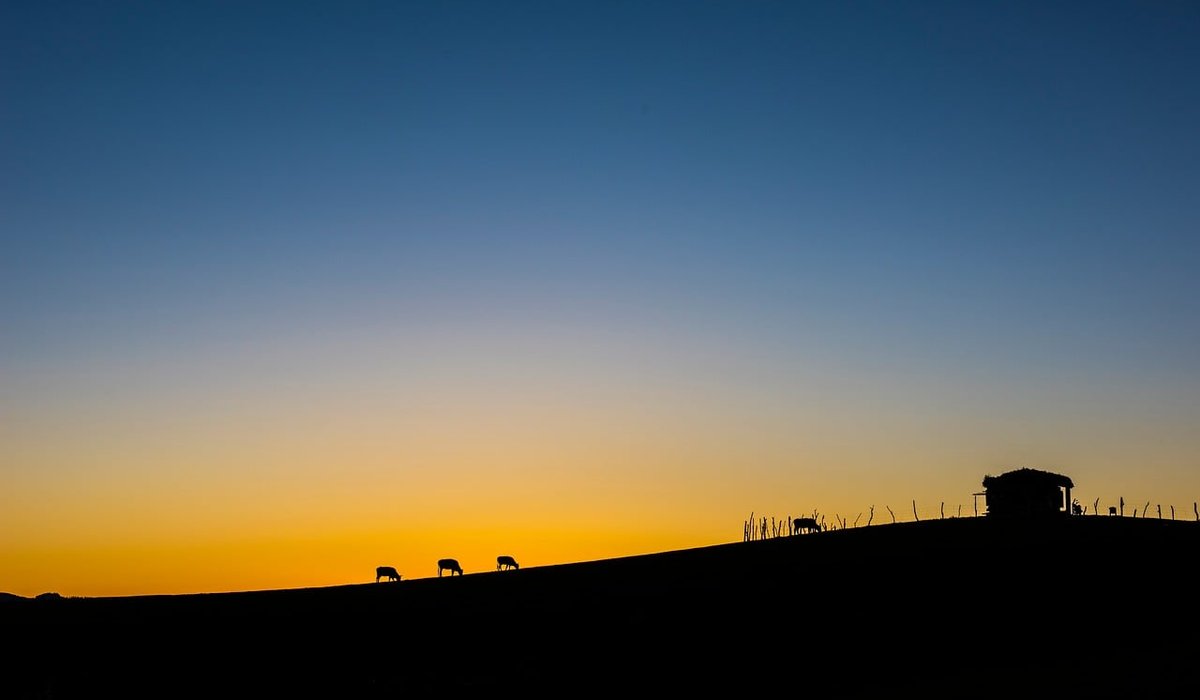
Most smallholdings with horses come with a patch of ground that is either too awkward for grazing or too far from the yard to be convenient. That overlooked corner, often a windswept strip beside the muck heap or a south-facing bank behind the barn, is usually the best vegetable plot you own. Vegetables want sun above all else: aim for six hours of direct light in midsummer. A site that catches the morning sun dries quickly and suffers less from slugs than one shaded until noon.
Two practical points before you lift a spade. First, water. Siting beds within reach of a tap, or beside a downpipe feeding a water butt, saves an enormous amount of hauling through July. Second, shelter. A windbreak of hazel hurdles, a native hedge or even a few pallets wired together will raise soil temperatures and stop tall crops such as runner beans being shredded. If you are on heavy clay, as many grazing smallholdings are, plan to work the ground in autumn when it is friable rather than fighting it in spring.
Raised Beds That Earn Their Keep
Raised beds suit a small plot because they concentrate effort and let you control the soil. Build them 1.2 metres wide so you can reach the middle from either side, and as long as suits the space. Timber is the simplest option; untreated boards will last several years, and scaffold boards are ideal if a friendly builder passes them your way.
- Depth: 20–25cm is ample for salads, brassicas, beans and onions. Carrots, parsnips and maincrop potatoes want 30cm or more.
- Paths: allow 45cm between beds, or 60cm where you will push a wheelbarrow of muck.
- Fill: a no-dig approach works well — a layer of well-rotted manure or compost on top each autumn, and let the worms do the digging.
On a plot with only four or five beds, you cannot afford to lose one to a permanent crop. Keep rhubarb, asparagus and soft fruit in a separate border or a few large pots so the rotation stays flexible.
Crop Rotation on a Compact Plot
Rotation is simply not growing the same family in the same bed two years running. It interrupts pests and diseases and balances what each crop takes from the soil. The classic four-group system is easy to remember:
- Legumes: peas, broad beans, runner beans — they fix nitrogen and leave the soil enriched.
- Brassicas: cabbage, kale, sprouts, broccoli, swede — hungry feeders, follow the legumes.
- Roots and onions: carrots, parsnips, beetroot, garlic, leeks — happy on land manured the previous year.
- Potatoes and salads: the clearing group, then back to legumes.
With three beds, run a three-year cycle and fold potatoes in with the roots. Keep permanent beds for perennial herbs and strawberries, and never compost diseased brassica leaves — bin them. If clubroot appears, lime the affected bed and keep brassicas off it for several years.
A Year of Sowing, Roughly
Dates shift with latitude; treat these as a guide and let the weather, not the calendar, have the final say.
- February to March: plant garlic if not done in autumn, set onion and shallot sets, sow broad beans, parsnips and early peas under cloches.
- April to May: sow carrots, beetroot, chard and salad indoors, then plant out once the last frost has passed — mid-May in most of England, early June in the north and uplands.
- June to July: successional sowings of salad, beetroot and carrots every three weeks; sow kale and winter cabbage for the hungry gap.
- August to September: overwintering onions, winter salad under cover, and green manure such as grazing rye on empty beds.
- October to January: spread muck, repair beds, plant garlic and overwintering broad beans, and plan next year's rotation.
Getting More from Every Square Metre
Small plots reward clever timing as much as good soil. Intercropping is the easiest win: radishes between rows of parsnips, lettuce beneath sweetcorn, or quick salad leaves in the gaps while brassicas establish. Pick cut-and-come-again leaves rather than whole heads, and you will harvest for months from a single sowing.
Grow upwards where you can — climbing French beans and cucumbers on a frame take up almost no bed space. Fleece and cloches will buy you three or four weeks at each end of the season, and a simple cold frame made from old window frames extends winter salads well past Christmas.
Finally, put the horse to work. Well-rotted manure, stacked for at least six to twelve months until it is dark and crumbly, is the finest soil improver a smallholding produces. Avoid woodchip-heavy bedding on beds destined for carrots, and never spread fresh muck directly before sowing. Mulch with straw rather than hay, which sprouts weeds, and water in the evening so every drop reaches the roots. Do that, and even a compact plot beside the paddock will keep the kitchen stocked from May to March.


Coding is used in almost all aspects of life and work now, be it directly or indirectly. It’s not just for companies in the tech sector. “An increasing number of businesses rely on computer code,
Coding is used in almost all aspects of life and work now, be it directly or indirectly. It’s not just for companies in the tech sector. “An increasing number of businesses rely on computer code,
Coding is used in almost all aspects of life and work now, be it directly or indirectly. It’s not just for companies in the tech sector. “An increasing number of businesses rely on computer code,