

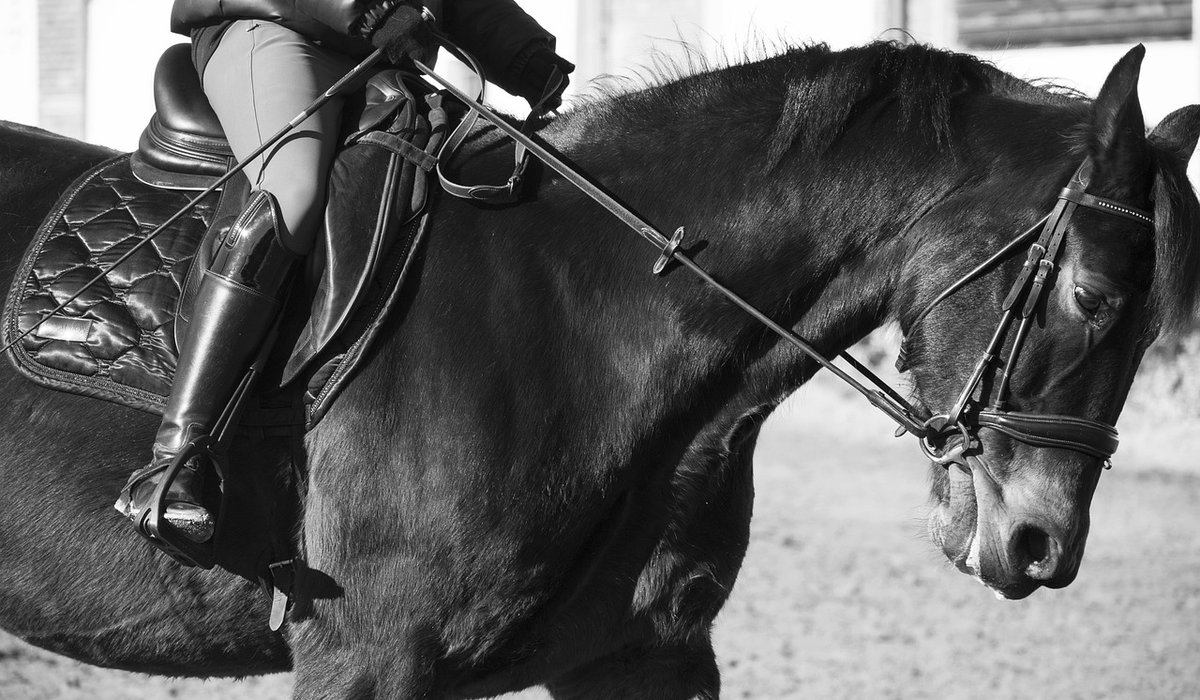
Travelling with your horse can be one of the most rewarding parts of rural riding life, whether you are heading to a show, a clinic, or a new hack further afield. Yet even the calmest horse can find the experience unsettling if they are not prepared. A little planning, some patient practice, and a thorough check of your vehicle will make the journey safer and far less stressful for both of you.
Why a calm traveller starts at home
Long before you hitch up the trailer, your horse needs to feel confident about the process. Start by introducing the trailer or lorry in a low-pressure way. Park it in the yard with the ramp down and allow your horse to investigate at liberty. Let them sniff the ramp, step on and off if they choose, and reward any calm curiosity. Never rush this stage; a horse that associates the trailer with grass, scratches, and patience is far easier to load on the day.
Short journeys are your best friend. Once your horse loads quietly, take them a few miles down the road and back. Increase the distance gradually over several weeks. This builds their balance and confidence, and it also teaches them that travelling ends with a return to familiar surroundings. If you have a companion horse, travelling with a quiet buddy can help, but only if both animals remain calm together.
Practise loading before the big day
Loading is the moment most owners worry about, so make it a regular part of your routine rather than a once-a-year event. Use a simple, consistent cue, such as a gentle pressure on the lead rope or a tap on the shoulder, and release the pressure the instant your horse steps forward. Never force or punish; instead, break the task into small steps. Reward a foot on the ramp, then two feet, then all four. Once inside, let them stand quietly for a few seconds before asking them to back out calmly.
If your trailer has a partition, practise closing it slowly and opening it again. Some horses travel better with the partition removed and a full-width bar, but only if they are secure and balanced. Always use a quick-release tie or a trailer tie that breaks under pressure, never a knot that could trap your horse if they pull back. A headcollar and lead rope should be in good condition, with no frayed stitching.
Check your trailer and tow vehicle thoroughly
Before any journey, give your trailer a full safety check. Tyres are the most common cause of breakdowns, so examine the tread depth, sidewalls for cracks, and the pressures when the tyres are cold. Check the spare wheel too, and make sure you have a working jack and wheel brace. Look at the floor for soft spots, rot, or protruding nails, and test the ramp for strength and a secure anti-slip surface.
Lights, indicators, and brake lights must all work. Test the breakaway cable, the jockey wheel, and the coupling head. Ensure the tow ball is the correct height and that the trailer is level when hitched. Check your mirrors are adjusted for a clear view behind, and confirm the weight limits for your vehicle and trailer. If you are unsure, have a professional service the trailer and brakes annually. A well-maintained trailer is not just legal; it is the foundation of a safe trip.
Plan your journey and rest breaks
Long journeys are tiring for horses, so plan your route with care. Avoid travelling during peak traffic if you can, and choose roads that are smooth and steady rather than winding and stop-start. As a general rule, offer a rest break every three to four hours. Pull into a safe lay-by or motorway services with designated horse parking, and check your horse’s temperature, hydration, and demeanour. Offer water from a clean bucket, but do not force them to drink.
If the weather is hot, travel in the early morning or late evening. If it is cold, ensure the trailer is well ventilated but not draughty. Never leave a horse standing in a parked trailer for long periods without shade or airflow. Hay nets with soaked hay can help prevent dehydration and keep the digestive system moving. Avoid feeding a large concentrate meal just before travel; instead, offer hay or haylage little and often.
Pack the essentials and travel kit
A well-stocked travel kit saves panic. Keep it in a sturdy box in your vehicle so it is always ready. Your kit should include:
- Your horse’s passport and any insurance documents.
- At least two large water containers and a collapsible bucket.
- Hay nets filled with hay or haylage, plus a spare.
- A basic first-aid kit for horses and humans.
- Spare headcollar and lead rope.
- Travel boots or bandages, and a tail guard.
- A high-visibility waistcoat and torch for you.
- A thermometer and a stash of electrolyte paste if advised by your vet.
Also pack a phone charger, breakdown cover details, and a few snacks and drinks for yourself. If your horse is prone to stress, speak to your vet about calming supplements or short-term sedation for extreme cases.
On the day and after arrival
On the morning of travel, keep your routine calm and unhurried. Groom your horse, pick out their feet, and check for any cuts or swellings. Load quietly using your practised cues, secure the partition and breech bar, and double-check all latches. Drive smoothly, accelerating and braking gently, and take corners slowly. Avoid sudden movements that could knock your horse off balance.
At each rest stop, look for signs of stress: sweating, trembling, pawing, or a raised heart rate. Offer water and a small hay net, but do not unload unless you have a safe, enclosed area. On arrival, unload calmly and let your horse stand quietly before leading them to a stable or paddock. Offer water and a small hay feed, and monitor them for several hours. With practice and preparation, travelling becomes just another part of your equestrian life, and your horse will learn to take it in their stride.


Coding is used in almost all aspects of life and work now, be it directly or indirectly. It’s not just for companies in the tech sector. “An increasing number of businesses rely on computer code,
Coding is used in almost all aspects of life and work now, be it directly or indirectly. It’s not just for companies in the tech sector. “An increasing number of businesses rely on computer code,
Coding is used in almost all aspects of life and work now, be it directly or indirectly. It’s not just for companies in the tech sector. “An increasing number of businesses rely on computer code,