

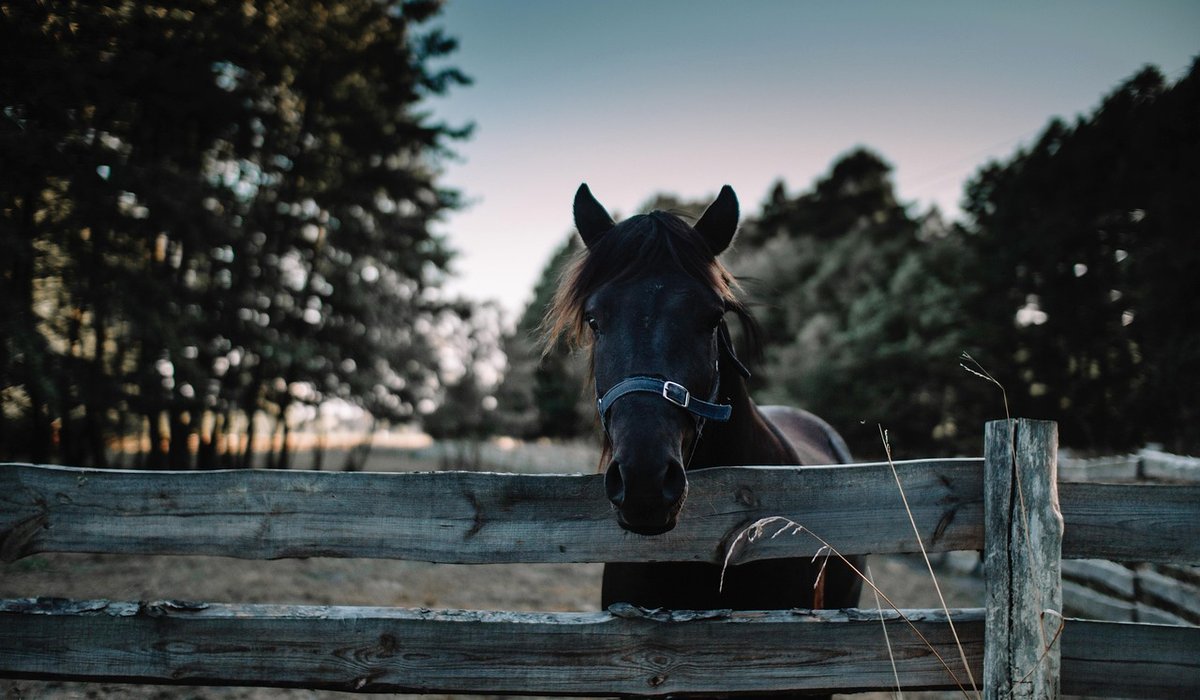
On a smallholding or livery yard, you are often the first person on the scene when a horse comes in from the field with a cut leg or a swollen eye. Having a well-organised first aid kit means you can act calmly and effectively whilst waiting for the vet to arrive. It is not about replacing professional care, but about buying time, reducing pain and preventing a minor injury from becoming a major one.
Why Every Yard Needs a Dedicated Equine First Aid Kit
Human first aid kits are not suitable for horses. You need larger dressings, stronger bandages and equipment designed for a 500kg animal. A dedicated kit should live in a clean, dry, dust-proof container in the tack room or feed store. Check it every three months, replacing items that have been used, expired or damaged. Keep a laminated card inside with your vet's phone number, the nearest equine hospital and a trusted friend who can help hold a horse.
Bandages, Dressings and Padding
Bandaging is the cornerstone of equine first aid. You will need several sizes and types.
- Non-adherent dressing pads in 10cm and 20cm squares to cover wounds without sticking.
- Absorbent padding rolls for placing over the dressing to soak up blood and provide cushioning.
- Self-adhesive cohesive bandages in 10cm width. These stick to themselves, not the skin, so they are ideal for securing dressings on legs.
- Crepe bandages for light support, but never apply them directly over a wound without a non-stick layer.
- Elasticated tubular bandage for holding dressings on the body or neck.
- Poultice boot or a strong plastic bag and duct tape for foot injuries.
Remember the golden rule: if you can slip two fingers under the bandage, it is too loose; if you cannot slide a finger under, it is too tight. Always bandage from below upwards, and never leave a bandage on for more than 12 hours without checking for swelling or rubbing.
Antiseptics and Wound Cleaning
Dirt and bacteria are the enemy of healing. Your kit should contain:
- Sterile saline solution (0.9% sodium chloride) in 500ml bottles for flushing wounds. Do not use tap water if you can avoid it.
- Dilute chlorhexidine or povidone-iodine solution for cleaning around the wound edges. Always dilute according to the label, as neat antiseptic can damage healthy tissue.
- Cotton wool or gauze swabs for gentle cleaning.
- Antiseptic ointment for minor grazes, but only after the wound is clean.
- A chlorhexidine-based scrub for cleaning your hands before you handle the wound.
Never use hydrogen peroxide or surgical spirit on open wounds, as these are too harsh. If a wound is bleeding heavily, apply direct pressure with a clean pad and do not remove it until the vet arrives.
Thermometers and Monitoring Vital Signs
A digital thermometer is essential. A horse's normal temperature is between 37.5°C and 38.5°C. Use a thermometer with a flexible tip and a string attached to a clip; clip it to the tail so you do not lose it. Lubricate with a water-based jelly, stand to the side, and insert gently into the rectum, angling slightly upwards. Wait for the beep.
Also record the heart rate (normal 28-44 beats per minute) and respiratory rate (8-16 breaths per minute). A stethoscope helps, but you can also feel the pulse under the jaw or on the digital artery. Knowing these baselines helps your vet decide how urgently to come.
Other Useful Items for Your Kit
- Blunt-ended bandage scissors to cut dressings without stabbing the horse.
- Disposable gloves in a range of sizes.
- Clean bucket for water and a sponge for bathing.
- Head torch for evening emergencies.
- Twitch or a lip strap for safe handling, but only if you are experienced.
- Epsom salts for drawing out foot abscesses.
- Ice packs (reusable gel packs) for bumps and bruises.
- Notepad and pen to record times, temperatures and observations.
Staying Calm and Knowing When to Call the Vet
Your first aid kit is only as good as your ability to use it calmly. Approach the horse quietly, put on a halter and lead rope, and ask a helper to hold the horse if possible. Do not try to be a hero; if the horse is in severe pain, bleeding heavily, or has a penetrating wound, call the vet immediately.
While waiting, keep the horse still and warm. Do not remove an object that has punctured the skin – it may be plugging the wound. Do not give food or water if surgery might be needed. Apply pressure to bleeding points, and cover open wounds with a clean dressing. Speak softly and move slowly. Your calm presence is as important as any bandage.
With a well-stocked kit and a little practice, you can handle minor injuries with confidence, knowing you are doing the best for your horse until professional help arrives.


Coding is used in almost all aspects of life and work now, be it directly or indirectly. It’s not just for companies in the tech sector. “An increasing number of businesses rely on computer code,
Coding is used in almost all aspects of life and work now, be it directly or indirectly. It’s not just for companies in the tech sector. “An increasing number of businesses rely on computer code,
Coding is used in almost all aspects of life and work now, be it directly or indirectly. It’s not just for companies in the tech sector. “An increasing number of businesses rely on computer code,