

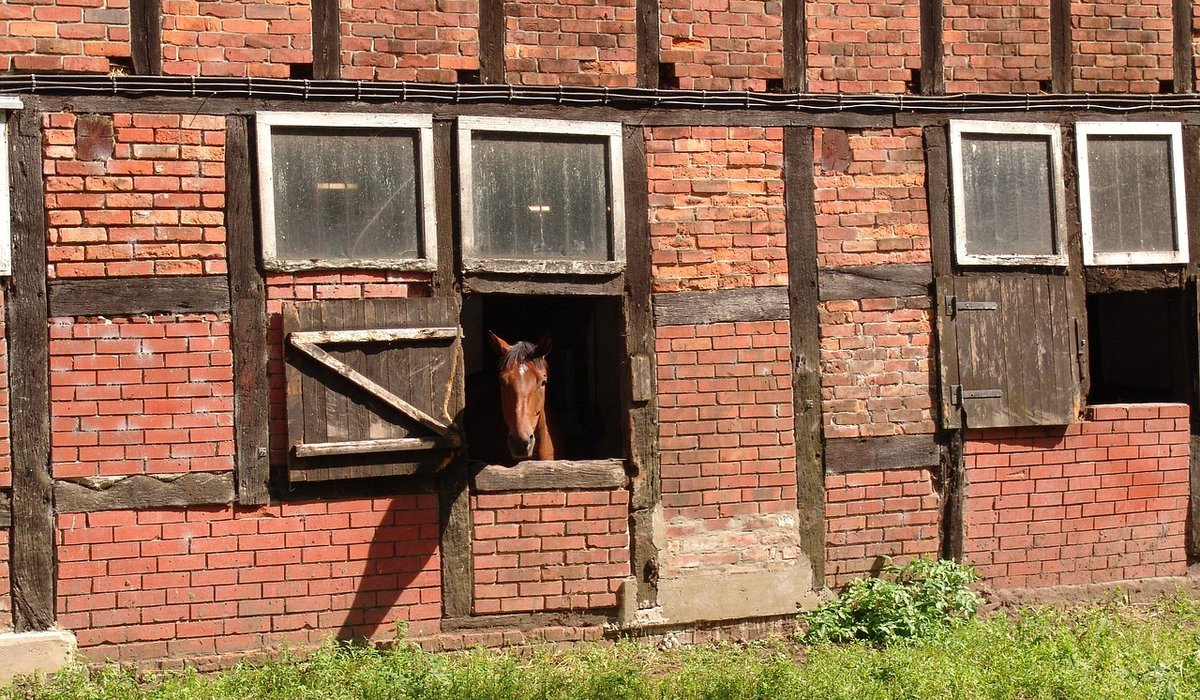
Winter on a smallholding can feel like a battle between your horse's need for turnout and your land's plea for a rest. A week of steady rain turns a gateway into a bog, and soon the whole paddock is a series of clinging hollows. You do not need a digger or a fortune to make a difference. With a few practical measures, you can reduce poaching, protect your horse's legs, and keep your grazing in better heart for spring.
Why Poaching Is More Than a Mess
Poaching is the term for soil churned up by hooves when wet. It is not just unsightly. Each deep hoofprint compacts the soil, squeezes out air, and damages grass roots. That means slower recovery in spring and more weeds such as docks. For your horse, standing in mud for hours can lead to mud fever, cracked heels, lost shoes, and abscesses. On a smallholding, where every acre matters, letting a paddock become a swamp is a false economy.
Sort the Gateways First
Gateways are pinch points. Your horse walks through them daily, often at speed, and they take the worst of the traffic. Investment here pays back quickly.
- Rubber gate mats: Heavy-duty mats (15–20mm thick) on a level base of compacted hardcore or road planings stop hooves sinking. Aim for at least 3 metres by 4 metres — enough for a horse to stand while you open the gate.
- Road planings or woodchip: If mats are out of budget, a 20–30cm layer of compacted road planings creates a firm apron. Woodchip over a permeable membrane also works, but top it up yearly.
- Scrape and top up: Once a week, pull mud off the mats and back onto the paddock. Top up hollows before they become craters.
Rotate and Rest Your Paddocks
No paddock survives constant winter turnout. Divide your grazing and move your horse regularly.
- Create a sacrifice paddock: Set aside one small area — ideally on higher, well-drained ground — for wet days. Accept it will get muddy and save the rest. About 0.1 hectare per horse is a good starting point.
- Use electric fencing: Pigtail posts and tape make strip grazing easy. Move the fence every few days to give hooves a fresh patch and let the previous one recover.
- Rest for longer than you think: In winter, a poached paddock may need 8–12 weeks to recover. In the growing season, 3–4 weeks can be enough. A track system around the edge keeps horses moving without trashing the middle.
- Do not overstock: One horse on half an acre of heavy clay through winter is asking for trouble. Be honest about your land's capacity.
Improve Drainage Without a Digger
You can move water away before it settles into the soil.
- Gutter your shelters: Connect downpipes and direct rainwater into a soakaway or butt. This stops roof water pouring onto the same patch.
- Grade and fill hollows: Before the ground saturates, fill any dips with soil or sand. A level surface drains far better than a pitted one.
- French drains: In the worst spots, a trench about 60cm deep filled with gravel and a perforated pipe carries water away. Run it downhill to a ditch or soakaway.
- Harrow and aerate: Only when the ground is dry enough to walk on without leaving prints. Chain harrowing spreads dung and levels molehills; a slit aerator opens compacted soil.
- Add surface material: In high-traffic areas that are not gateways, a layer of sand or woodchip firms things up. Avoid bark, which can be slippery.
Keep the Horse Comfortable and Healthy
Mud management is about your horse's daily comfort, too.
- Check legs daily: Pick out hooves and feel for heat, swelling, or scabs. Dry legs with a towel rather than hosing, which can worsen mud fever.
- Use a barrier cream: A good barrier cream on heels and pasterns before turnout helps prevent mud fever. Reapply as needed.
- Move hay and water: Do not feed in the muddiest spot. Place hay in a rack or spread it across a dry area, and move water troughs to avoid a permanent bog.
- Provide a dry standing area: A field shelter with a hardcore base or rubber mats gives your horse somewhere to escape the wet. It is worth its weight in gold during a wet spell.
Daily Habits That Make a Difference
Small, consistent actions add up. Poo pick at least every other day — dung left in a wet paddock creates sour grass and worm burdens. Do not turn out if the ground is waterlogged and more rain is forecast; a few hours in a dry stable or on hardstanding is kinder than a day in slop. Keep a rough diary of which paddocks are worst and plan next year's rotation. Mud is temporary. With gate mats, sensible rotation, and a little drainage help, your smallholding can come through winter in better shape — and your horse will thank you.


Coding is used in almost all aspects of life and work now, be it directly or indirectly. It’s not just for companies in the tech sector. “An increasing number of businesses rely on computer code,
Coding is used in almost all aspects of life and work now, be it directly or indirectly. It’s not just for companies in the tech sector. “An increasing number of businesses rely on computer code,
Coding is used in almost all aspects of life and work now, be it directly or indirectly. It’s not just for companies in the tech sector. “An increasing number of businesses rely on computer code,